Car Insurance A Complete Guide to Coverage, Costs, and Choosing the Right Policy
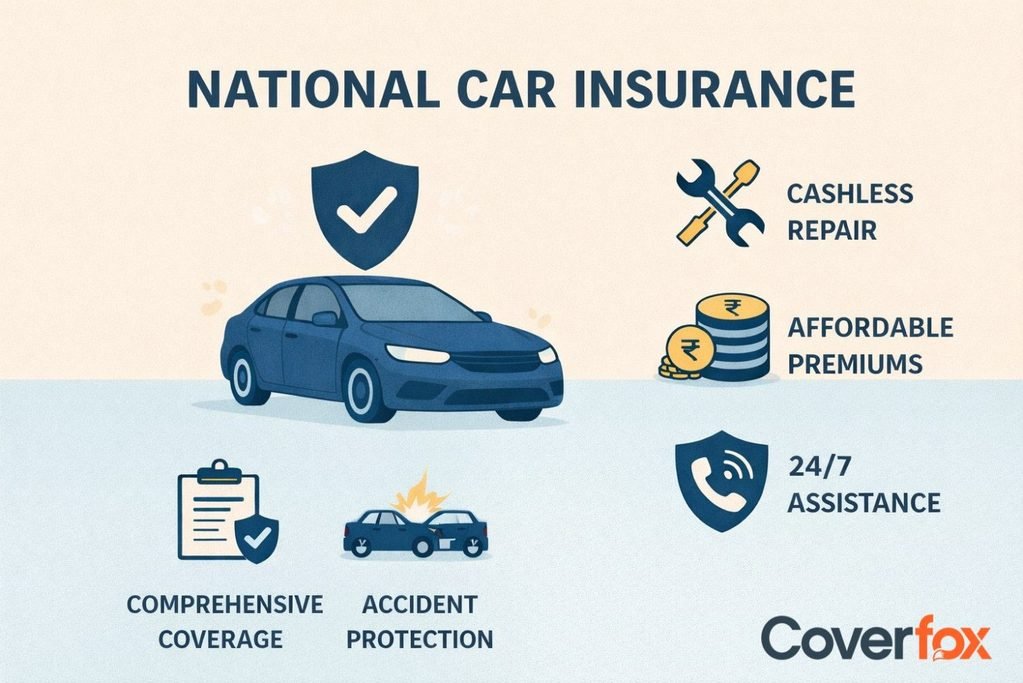
Car Insurance A Complete Guide to Coverage, Costs, and Choosing the Right Policy
Car insurance is one of the most important things to consider when you own a car. Whether you drive to work every day, take occasional road trips, or use your vehicle for family activities, having the right insurance can help protect you from unexpected expenses. An accident can happen in seconds, but its financial consequences may last for months or even years.
So, how does car insurance work, what does it cover, and how can you find a policy that fits your budget? The good news is that understanding the basics does not have to be complicated. With a little knowledge, you can compare your options and make a more confident decision.
In this guide, we will explore the different types of car insurance, the factors that influence premiums, and practical ways to choose suitable coverage.
1. What Is Car Insurance?
Car insurance is an agreement between a vehicle owner and an insurance company. In exchange for paying a premium, the policyholder receives financial protection for certain losses covered by the policy.
Depending on the coverage you choose, insurance may help pay for vehicle repairs, injuries, damage to another person’s property, or losses caused by events such as theft and severe weather.
Think of car insurance as a financial safety net. You hope you never need it, but it can make a difficult situation easier to manage when something unexpected happens.
However, not every policy covers every situation. Coverage limits, deductibles, exclusions, and local laws all affect how much protection you receive.
2. Why Is Car Insurance Important?
Driving comes with risks, even when you follow traffic rules and maintain your vehicle properly. Another driver could cause an accident, a storm could damage your car, or your parked vehicle could be stolen.
Without appropriate insurance, you may have to pay significant expenses yourself.
Here are some important benefits of car insurance:
- Financial protection: Covered claims can reduce the amount you pay out of pocket after an accident.
- Liability coverage: Certain policies help pay for injuries or property damage you cause to others.
- Vehicle protection: Optional coverage may help with repairs or replacement after covered events.
- Legal compliance: Many places require drivers to carry at least a minimum level of liability insurance.
- Greater peace of mind: Knowing you have suitable protection can make everyday driving less stressful.
Car insurance is not simply another bill. It is a way to prepare for risks that could otherwise disrupt your financial plans.
3. Different Types of Car Insurance Coverage
Understanding the main types of coverage is essential before choosing a policy. Each option serves a different purpose, and availability varies by insurer and location.
Liability Insurance
Liability insurance generally helps pay for injuries or property damage you cause to other people when you are legally responsible for an accident.
For example, if you accidentally damage another driver’s vehicle, liability coverage may help pay for the resulting costs up to your policy limits.
Liability insurance does not normally pay to repair your own vehicle. The exact legal requirements depend on where you live.
Collision Coverage
Collision coverage generally helps pay to repair or replace your insured vehicle after a covered collision, subject to your deductible and policy terms.
This may include an accident involving another vehicle or a collision with an object, such as a fence or pole.
Collision coverage can be especially useful if repairing your car would be difficult to afford without financial assistance.
Comprehensive Coverage
Despite its name, comprehensive coverage does not cover every possible loss. It generally protects against certain non-collision events, such as theft, vandalism, hail, falling objects, or fire.
Imagine parking your car outside during a severe storm. If hail damages the vehicle, comprehensive coverage may help pay for repairs, depending on your policy.
Personal Injury Protection and Medical Payments
Depending on your location and policy, personal injury protection (PIP) or medical payments coverage may help pay eligible medical expenses after a vehicle accident.
PIP can also cover certain additional expenses, such as lost income, where the policy and local rules allow it. These coverages differ considerably between jurisdictions.
Uninsured and Underinsured Motorist Coverage
This coverage may help protect you when an at-fault driver has no insurance or insufficient insurance to cover eligible losses.
It can be particularly valuable in places where uninsured driving is a concern. Check whether this protection is required, optional, or available under local insurance rules.
4. What Factors Affect Car Insurance Costs?
Car insurance premiums are not the same for everyone. Insurance companies evaluate several factors when estimating the likelihood and potential cost of a claim.
Driving history: Drivers with accidents, certain traffic violations, or previous claims may face higher premiums.
Vehicle type: Repair costs, safety features, theft rates, and the value of your car can influence pricing.
Location: Traffic density, weather conditions, theft patterns, and local claim costs may affect premiums.
Age and driving experience: Some insurers consider these factors when calculating risk, subject to applicable laws.
Coverage limits: Higher limits can provide greater financial protection but may increase the premium.
Deductible: A higher deductible can reduce your premium in some cases, but you will need to pay more yourself when making an eligible claim.
Annual mileage: Some insurers consider how frequently and how far you drive.
Understanding these factors can help you identify which parts of your insurance costs you may be able to control.
5. How to Choose the Right Car Insurance Policy
Choosing insurance should involve more than selecting the cheapest price. A low-cost policy may leave you with substantial expenses if it does not provide enough coverage.
Start by identifying your needs. Consider the value of your car, how often you drive, your financial situation, and the risks you want to protect against.
Next, compare quotes from several reputable insurance companies. Make sure you compare similar coverage limits, deductibles, and optional benefits rather than looking at premiums alone.
Read the policy documents carefully. Pay attention to exclusions, claim procedures, repair arrangements, and circumstances in which the insurer may decline a claim.
It is also worth reviewing customer service and claims handling. An insurer that communicates clearly and processes valid claims efficiently can make a significant difference during a stressful situation.
Finally, check whether the policy meets the minimum insurance requirements where your vehicle is registered.
6. Practical Ways to Save Money on Car Insurance
Looking for affordable car insurance does not mean you must sacrifice important protection. A few simple steps may help you find a better balance between price and coverage.
Compare Multiple Quotes
Different insurance companies may charge different premiums for similar coverage. Requesting several quotes gives you a clearer picture of available prices.
Ask About Discounts
Some insurers offer discounts for eligible drivers with safe driving records, multiple policies, vehicle safety features, or other qualifying circumstances. Ask which discounts are available and what conditions apply.
Consider Your Deductible
If you can comfortably afford a larger out-of-pocket payment after a covered claim, comparing policies with different deductibles may help you find a lower premium.
Do not choose a deductible that would create financial hardship.
Maintain a Good Driving Record
Following traffic laws, avoiding distracted driving, and driving defensively can reduce accident risks. Depending on the insurer and local regulations, a safe driving history may also help lower future premiums.
Review Your Policy Regularly
Your needs can change when you move, drive fewer miles, purchase another vehicle, or pay off a car loan. Reviewing your coverage periodically helps ensure that your policy remains appropriate.
7. Common Car Insurance Mistakes to Avoid
Even experienced drivers can make mistakes when buying or renewing insurance.
One common mistake is choosing a policy based only on price. Saving money today may not be worthwhile if the policy leaves you exposed to major expenses.
Another mistake is providing inaccurate information when requesting a quote. Incorrect details about your vehicle, driving history, or usage can cause problems during underwriting or a claim.
Some drivers also assume that every type of damage is covered. In reality, insurance policies include exclusions, conditions, and coverage limits.
Finally, avoid allowing a policy to lapse without arranging suitable replacement coverage. A lapse can create legal and financial problems, depending on your location.
Taking time to understand your policy can help you avoid these issues and make better decisions.
8. What Should You Do After a Car Accident?
Knowing what to do after an accident can help protect your safety and make the claims process more organized.
First, check for injuries and contact emergency services when necessary. Move to a safe location if possible without creating additional danger.
Exchange relevant contact and insurance information with the other driver. If it is safe and lawful, take photographs of vehicle damage, road conditions, and the scene.
Avoid admitting fault or making assumptions about responsibility before the facts are established. Report the incident to your insurer promptly and follow its instructions.
Keep copies of repair estimates, receipts, medical documents, and communications related to the incident.
Your insurer can explain the next steps, including how to submit a claim, which documents are required, and whether an inspection is necessary.
Conclusion
Car insurance is an important part of responsible vehicle ownership. It can help protect you against covered financial losses, provide liability protection, and make unexpected driving incidents easier to manage.
The best policy depends on your vehicle, driving habits, location, budget, and personal circumstances. By understanding different coverage options, comparing multiple quotes, reviewing policy exclusions, and asking about available discounts, you can make a more informed choice.
Remember, the cheapest policy is not always the best value. Focus on finding a balance between affordable premiums and meaningful protection. A little research today can help you drive with greater confidence tomorrow.